SORA Technology Launches First Entomological Study with Japanese Universities to Evaluate AI- and Drone-Enabled Malaria Vector Control in Malawi
Evaluating an AI- and Drone-Enabled Larval Source Management Model Using Entomological Indicators in Rural Agricultural Landscapes
SORA Technology Co., Ltd. (Headquarters: Nagoya, Japan; Founder & CEO: Yosuke Kaneko; hereafter “SORA Technology”), which provides advanced drone and AI solutions across public health, agriculture, and climate resilience, announced the launch of its first entomological study, conducted jointly with Japanese university researchers, to evaluate a drone- and AI-enabled Larval Source Management (LSM) approach for malaria vector control in the Republic of Malawi.
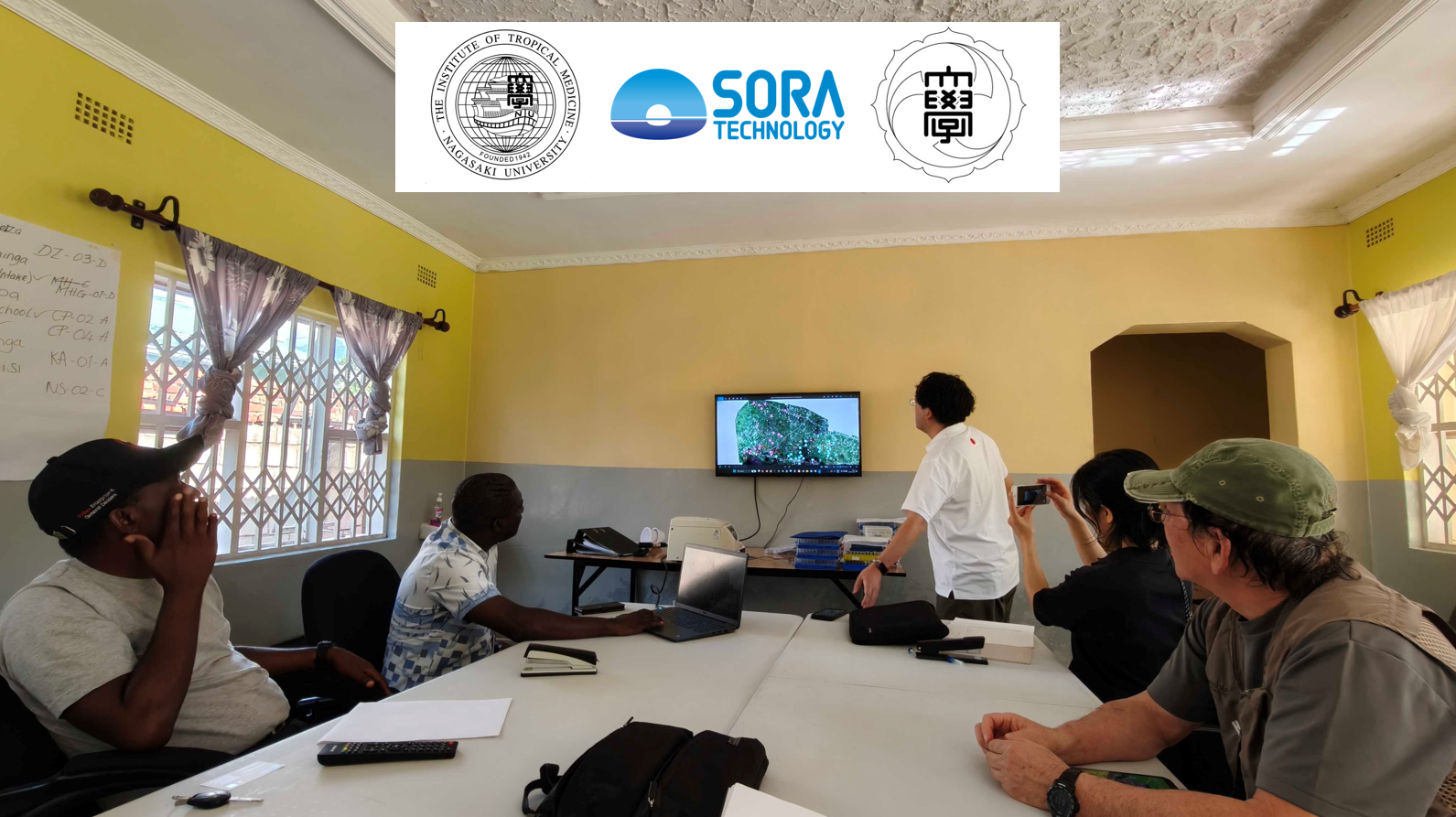
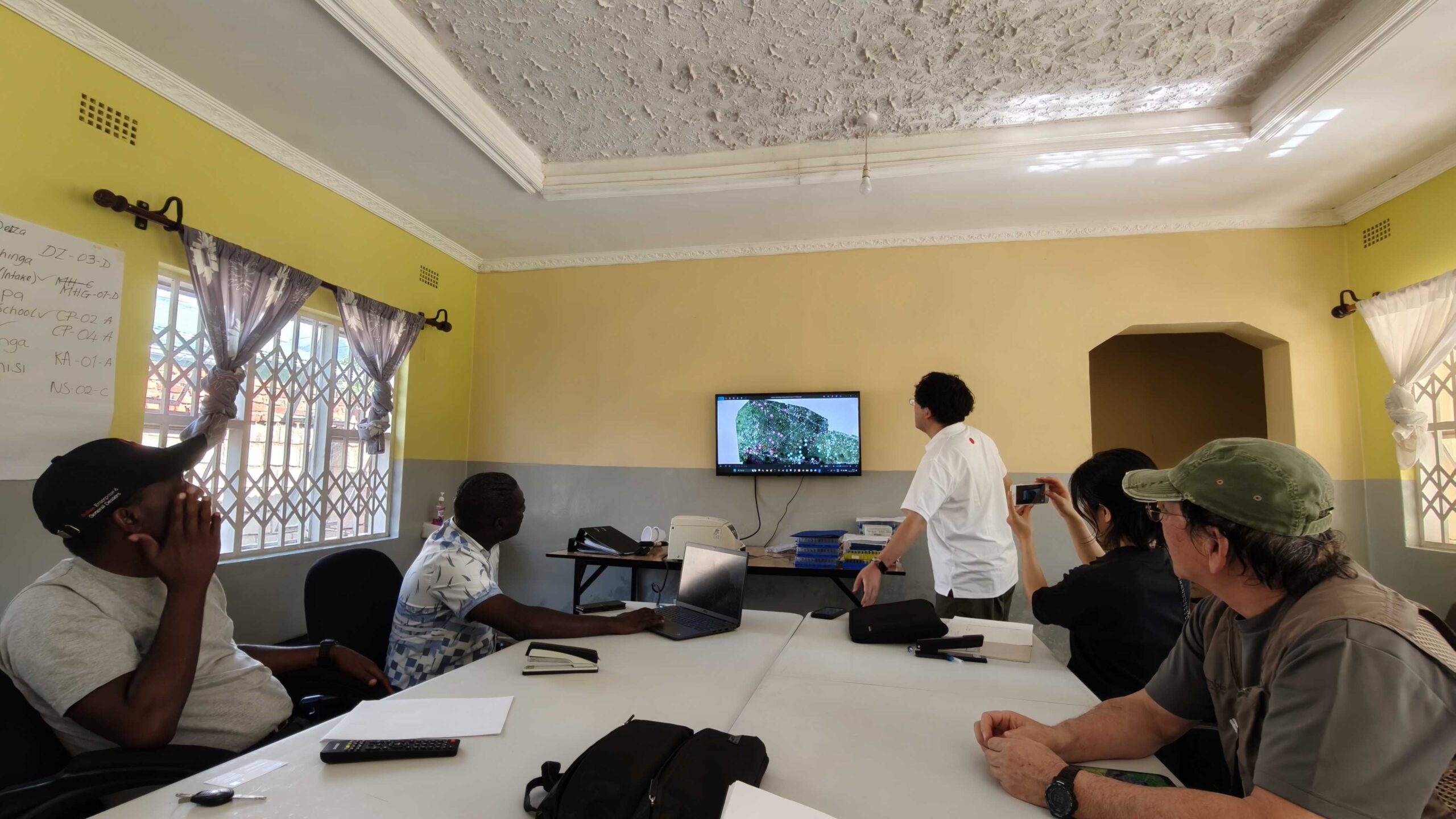
The pilot study is conducted in collaboration with Dr. Hitoshi Kawada, Visiting Researcher at the Institute of Tropical Medicine, Nagasaki University; Dr. Gaku Masuda, Assistant Professor at Tokyo Women’s Medical University; and the Vector and Disease Control Centre (VDCC) in Malawi, led by Dr. Dylo Foster Pemba.

Background of the Pilot Study
Malaria remains a major public health challenge in many parts of the world. Larval Source Management (LSM), which focuses on controlling mosquito breeding sites, is widely recognized as an effective malaria vector control intervention. However, conventional LSM approaches are often labor-intensive and difficult to sustain at scale, particularly across large geographic areas.
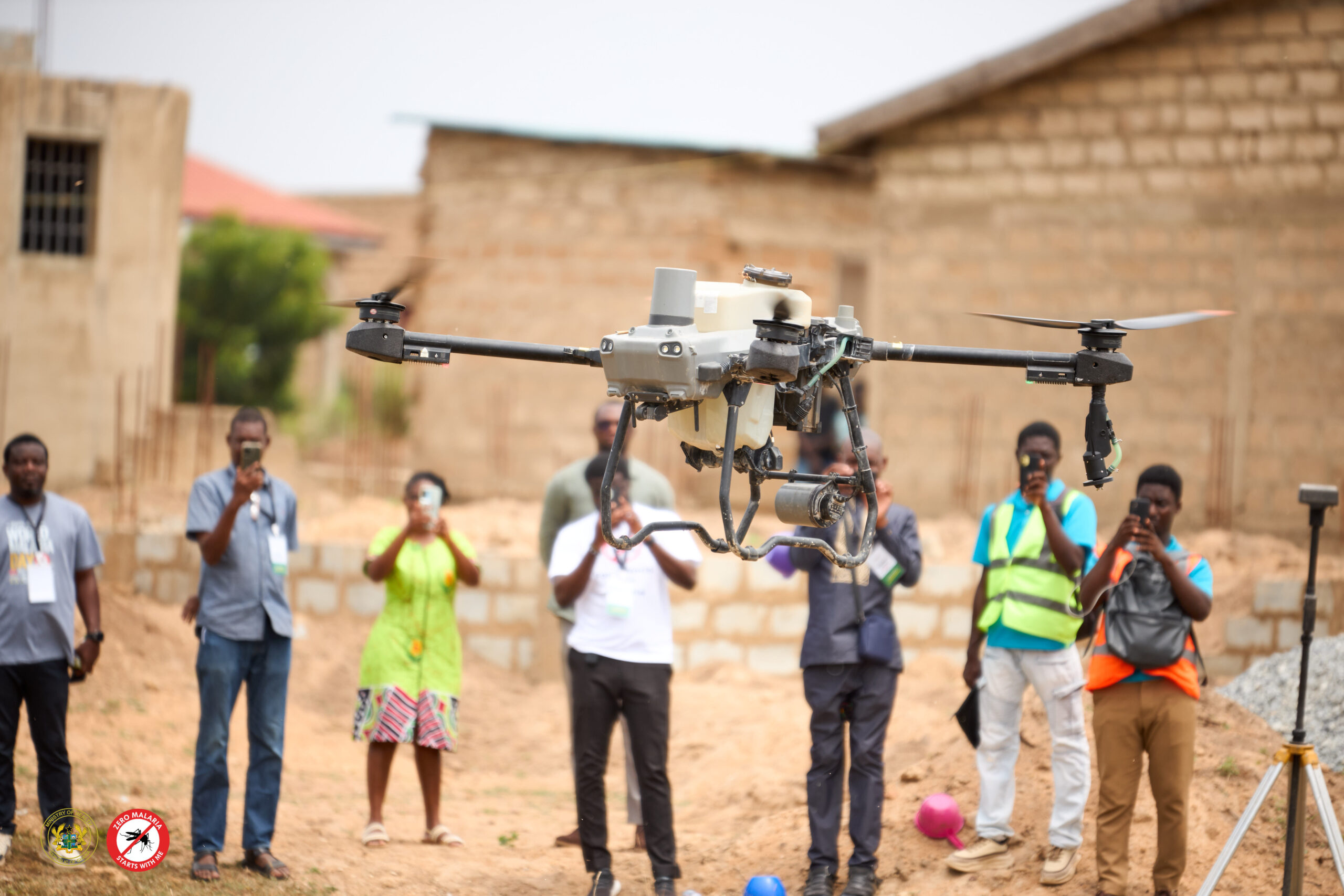
Through previous field pilots in Sierra Leone and Ghana, SORA Technology has demonstrated that drone- and AI-enabled approaches can significantly improve operational efficiency and optimize larvicide application, while achieving mosquito reduction outcomes comparable to conventional, labor-intensive methods.
This pilot study represents SORA Technology’s first research initiative designed to rigorously evaluate a technology-enabled LSM approach using entomological indicators. The study specifically investigates whether targeting water bodies identified by AI as high-risk breeding habitats can effectively reduce mosquito populations.
Pilot Study Area
The pilot study is being conducted in a lowland area near Lake Chilwa in southern Malawi, where malaria outbreaks are reported during each rainy season. The landscape is characterized by stagnant wetlands and rice paddies, creating favorable breeding conditions for malaria vector mosquitoes.
During the preliminary survey, adult Anopheles mosquitoes were detected in several households, and numerous larvae were collected from water bodies such as wetlands, rice paddies, field furrows, and puddles formed in wheel ruts. In this region, the Institute of Tropical Medicine at Nagasaki University has conducted long-term malaria control research in collaboration with JICA and local universities.
Overview of the Pilot Study
In this pilot study, the following approaches will be implemented in combination:
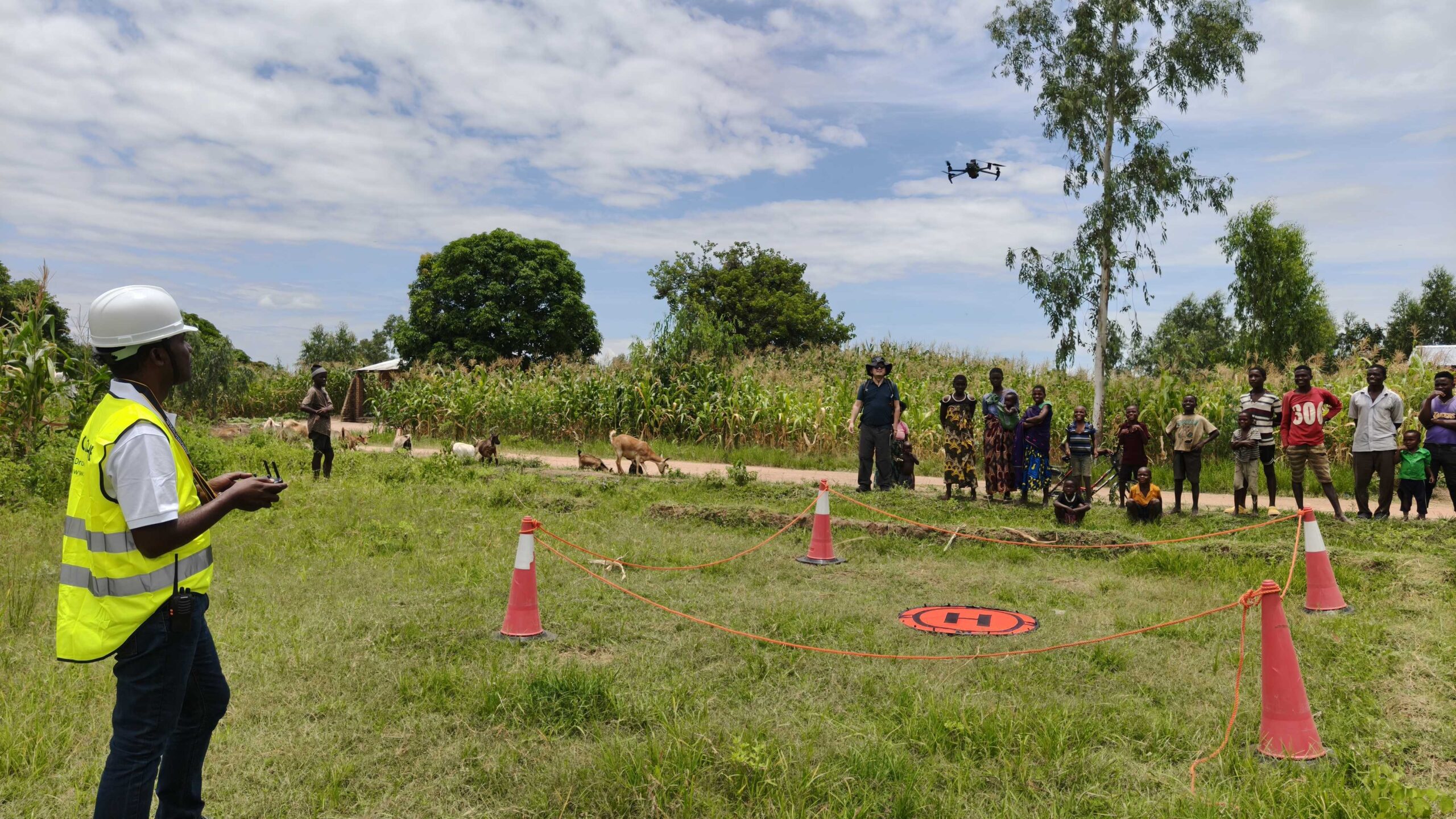
– Identification of water bodies with a high risk of mosquito larval breeding using high-resolution drone imagery and AI-based analysis
– Navigation of pre-trained spray teams to target water bodies based on the collected geospatial information
– Targeted larvicide application limited to water bodies identified by AI as high-risk
– Comparative evaluation of mosquito larval density before and after larvicide application
– Comparative evaluation of indoor adult mosquito density between intervention and control areas
Through these activities, the study will assess whether an AI-enabled targeted LSM strategy can effectively suppress mosquito populations in rural malaria-endemic environments.
Roles of Each Partner
– SORA Technology
Provision of AI- and drone-based source mapping methodologies, risk analysis, and operational design support
– Dr. Hitoshi Kawada (Nagasaki University) and Dr. Gaku Masuda (Tokyo Women’s Medical University)
Overall research design for the pilot study, investigation and analysis of mosquito breeding sites, and expert advisory support on drone operations
– VDCC(Dr. Dylo Foster Pemba)
Overall pilot study design, drone operations, field surveys, coordination with government authorities, acquisition of required permits, community engagement and training, and local operational implementation
Future Outlook
Through this pilot study, the feasibility and effectiveness of a drone- and AI-enabled LSM approach will be evaluated in malaria-endemic areas characterized by abundant water surfaces such as wetlands, rice paddies, field furrows, and wheel ruts. The insights generated will contribute to the development of an operational model that can be replicated in other countries and regions, while further improving AI performance to achieve greater vector control impact.
Company Profile
Company Name: SORA Technology Co., Ltd.
Headquarters: 2-14-1 Nagono, Nishi-ku, Nagoya, Aichi, Japan
Representative: Yosuke Kaneko (Founder & CEO)
Established: 2020
Business: Development and provision of drone- and AI-powered technologies for infectious disease control, agricultural support, and climate adaptation.
Mission: SORA Technology is committed to the mission of “Transforming lives from the sky (SORA).” By leveraging advanced drone and AI technologies, the company aims to help build safe and prosperous societies anywhere in the world. Centered in Africa and other developing regions, SORA provides a wide range of services, from infectious disease surveillance and control to agricultural productivity enhancement and climate adaptation support.
Website: https://sora-technology.com/
LinkedIn: https://www.linkedin.com/company/sora-technology/
Facebook: https://www.facebook.com/sora.technology/